

yoga en depressie
YOGA en ook DEPRESSIE, wat nu?
De zon breekt door, de dagen worden langer, de bloesem geurt aan de bomen en desondanks lopen veel mensen met de ziel onder de arm, het huilen nader dan het lachen — ook yoga beoefenaars, yoga docenten, psychologen en psychiaters kunnen last van depressie hebben. Het kan iedereen overkomen. Schaamte en verdriet spelen een rol en mensen hebben vaak niet de energie om de juiste hulp in te schakelen. Wat een catch-22! En ondertussen lopen de wachtlijsten in de GGZ ook op.
Volgens het Trimbos instituut krijgen jaarlijks zo’n 135.600 volwassenen voor het eerst een depressie. Inclusief jongeren en ouderen hebben naar schatting bijna 800.000 mensen een stemmingsstoornis. Circa 13% van de Nederlandse moeders krijgt te maken met een postpartum depressie, die tot 12 maanden na de geboorte kan ontstaan. Van de kinderen met depressieve ouders ontwikkelt 40% een depressie voor het 18e jaar. Ouch! Deze cijfers liegen niet. Ze zien het terug in onze eigen leef,- en werkomgeving.
De wachtlijsten voor behandeling lopen op van maanden tot soms jaren, wat ik moeilijk vind om aan te zien. Zoals jullie misschien weten, ben ik een tijdje terug verhuisd naar Den Haag, waar ik als POH-GGZ werk en daarnaast ook nog best wat mensen zie in mijn eigen praktijk. Ik zie veel somberheid, stemmingsproblematiek, angst en stress. Daaronder zit praktisch bij iedereen oud zeer en (onbehandeld/ ongezien) trauma.

jezelf vinden in de/ jouw natuur
Naast POH en Yoga Therapeute ben ik een Holistisch Huis voor Herstel aan het opzetten — gebaseerd op het weer 'heel' worden van de mens op een empowered manier. Na jarenlang ervaring in de praktijk is er een methode ontstaan gebaseerd op Svastha (Zijn als jezelf) Yoga (Verbinding), Yoga Therapie in de breedste zin van het woord. Verbonden met de natuur, gedragen door de aarde en haar onuitputtelijke regeneratieve kwaliteiten die voor iedereen beschikbaar zijn en ondersteund door de moderne wetenschap. Het bijpassende programma heet Terrapy. Terra als in 'aarde'.
Dit huis zal niet alleen een ont-moeting, behandel en herstelplek zijn, maar ook een statement over hoe je door creatief te denken tot nieuwe oplossingen kan komen om wachtlijsten te doen laten verminderen of zelfs verdwijnen. Want waar zit je überhaupt op te wachten, op de wachtlijst? Stop met wachten op een oplossing, maar neem het heft in eigen handen. En ik weet dat dit (zeer) moeilijk kan zijn wanneer er sprake is van een verlammende burn-out of depressie.
Maar daar gaat het om.
Hoe ben je in die verlammende houtgreep terecht gekomen en vooral: hoe kom je er weer uit? Niet alleen als individu, maar ook als collectief — mensheid — en als organisatie en systeem. We lopen vast, kunnen amper ademen en zijn in een chronische en ongezonde staat van stress beland. Hoe creëren we weer beweging en ruimte?

terrapy
Terrapy is Integrative Yoga Therapy gebaseerd op klassieke hatha yoga, de yoga sutra, de polyvagaal theorie, compassie focussed therapy en internal family systems. Natuurwetten worden op subtiele manieren verweven in de stof omdat we niet langer wachten maar het nu tijd is voor herstel: persoonlijk, collectief en organisatorisch.
Ik wil mijn kennis en ervaring delen. Kijk hier om mee te doen aan deze unieke en verbindende module 'Yoga bij depressie en verslaving'.
Deze module is een uniek aanbod voor iedere yogadocent/yogatherapeut (APD IAYT). En let op: het volgen van deze module is een voorwaarde om deel te nemen aan de module 'donkere nacht van de ziel en crisisinterventie' die later (hopelijk dit jaar) on demand zal verschijnen.
Heb jij wel eens depressieve gevoelens gehad? Hoe was dat voor jou?
Anneke Sips
yoga voor depressie
voor yoga docenten en yoga therapeuten
what is yoga therapy?
Yoga, specialized yoga and yoga therapy: isn't it all the same?
We are dealing with overwhelming pressure in life — we live in a world full of information and yet we hunger for wisdom. Loneliness, stress, chronic illness and mental health problems have been growing to a point of crisis. Disappointed by existing systems many are waking up to the idea that there is more to life and healing than the health strategies of the past decades. A more natural, conscious and empowered way.
Although yoga as a practice is therapeutic, there are differences between yoga teaching and yoga therapy. Between a yogateacher and a yogatherapist and obviously the classes and sessions are different. This post covers these differences and adds explorations of the definition of yogatherapy. Don't forget to share this post with your friends and colleges if you like it!

YOGA IN A NUTSHELL
According to the Yoga Sutras, the aim of yoga is to calm the fluctuations of the mind and achieve optimal balance in body and mind. Yoga, including the 8 fold path, is a complete system that can be efficient for mental well-being as it teaches discipline, positive and responsible thinking and acting, self-reflection, physiological regulation, behavioral action and change and improved tolerance. Concentration, compassion and mindfulness are trained. But it can also be seen as nourishment for the mind which can lead to personal development and well-being.
Yoga is not just about asana (postures) unlike what we often see in modern yoga presentations. It is essential to keep the bigger picture in mind. There are traditional concepts and frameworks from ancient scriptures that comes with tools and ways to practice. There are modern insights that back up the classic knowledge and we have our own experience that is the result of practice what we study.
There are different approaches to yoga, which can accentuate a slightly different aspect of the broad spectrum of yoga concepts, or models and yoga practices. The Svastha approach offers a large and detailed framework to work with these concepts in a logic and personalized way. This is not another 'brand' of yoga but an approach that fits any type, style or brand of yoga. This can be the first step towards yoga therapy as well. Yoga is still booming. Perhaps you noticed this yourself, yoga has become one of the fastest-growing wellness practices in the past decade.
As we can see, yoga was already booming; a self-regulatory, complementary and integrative health care practice, pursuing awareness and optimal health. It offers a holistic view of life and health, in which a client is central and is supported in finding optimal balance on a mental, physical and sense of purpose. It has basically no side effects (unless it is practiced incorrectly) and gives rise to a series of positive changes. Ultimately, a person applies the yoga him,- or herself, and he or she is his or her own therapist. Besides that, we can even — unconsciously — harm our students. Much reason to get trained well. For that reason, our teacher trainings are trauma informed and thus safe, by nature.
HOW MANY PRACTICE
- Worldwide, approximately 300 million people regularly practice yoga.
- Approximately 36 million Americans practice yoga regularly.
- In the past 5 years alone, yoga practitioners in the U.S has increased by over 50%.
- The number of men practicing yoga went from 4 million to 10 million between 2012 and 2016 – an increase of 150%
- 34% of Americans are likely to try yoga for the first time in the next 12 months.
- Currently, 1 in 3 Americans (30%), have at least tried yoga.
- 2019 statistics list yoga as one of the top 10 fitness trends in the world.
- By 2020, the number of U.S yoga practitioners will grow to over 55 million.
Sources here
MOST COMMON TOOLS
Tools are there to use in practice. Yoga is an unique method by combining all these tools in one simple practice that can be repeated over and over again to anchor in our being. The results of our practice will be reflected in our lives.
- Asana (working with body and movement)
- Pranayama (working with breath)
- Mantra (working with sound)
- Meditation (focussed attention of mind)
- Mindfulness (sensory awareness)
- Bhavana (feeling)
- Personal Reflection
- Self study
- etc
EFFECTS OF YOGA ON (mental) WELLBEING
Since yoga focuses on mental development, it's not surprising that the most common findings from yoga research show an improvement in mood, reduction in stress, and improved quality of life. This appears to be true according to research into the therapeutic role of yoga in, among other things, mental illness, cancer, chronic pain and diabetes. Although the yoga system is in principle not intended as a way to alleviate (mental) health problems, it still has great added value in the complementary view of health problems.
There are a growing number of neuro-scientific findings that praise the use of the body in psychological therapy. Many different attention- and movement-oriented approaches are used too, as well as yoga, which included all those assets and yes, positive results are measured. Yoga is increasingly recognized for its beneficial effects on mental health and is receiving particular attention in the therapy community that treats trauma and PTSD. Research shows that yoga can not only help to prevent mild psychiatric problems like reducing stress., but can also offer support or a solution for ADHD, sleeping problems and schizophrenia.
Regular yoga practitioners reported the following when surveyed about the effects of yoga on emotional well-being:
- 86% report a reduction in stress.
- 69% report a positive increase in temperament and mood.
- 63% report yoga mentally motivates them to exercise more.
- 59% report an improvement in sleep quality and quantity.
- 86% report an overall improved sense of mental wellness and clarity.
- 28% report a noticeable reduction of depression symptoms.
- 79% report a feeling of closeness with their community and wanting to give back.

yogatherapy in a nutshell
Yogatherapy is yoga. But yoga is not always yogatherapy. An ideal modern definition of Yogatherapy should be based on a common, logical understanding of the application of yoga. An example definition of modern yoga therapy is “Yogatherapy is the process of empowering individuals to progress toward improved health and well-being through the application of the teachings and practices of Yoga.” (IAYT)
The word empower here is important, because a key aspect of yoga `(as well as any other therapy) is the active participation of the client in the process of therapy. The tools of Yoga require that the person make an effort.
reflect now!
'AN APPROPRIATE DEFINITION'
'It is sometimes suggested that in the context of yoga, phrases such as spiritual well-being be added to the definition of health and the aims of yogatherapy. Apart from being vague, this is incorrect from a classical yoga perspective. The spirit in yoga would be the seer, perceiver, or consciousness. There is no well-being for the spirit in yoga. It is a core concept in classical yoga that the consciousness or spirit is beyond change, and is thus always well; only the mind may be disturbed.
Similarly, adding moral or ethical well-being to the definition of health is also incorrect from the view of yoga; yoga does not preach morality or ethics. The yamas and niyamas, the first two of the eight limbs of the Yoga of Patanjali, may appear to be moral or ethical injunctions, but they are not. They are personal disciplines in action, speech, and thought. The practitioner chooses to follow them because they are indispensable in progressing towards the goal of yoga.
In summary, adding spiritual, moral, or ethical well-being to the concept of health in yoga conflicts with the fundamentals of yoga psychology. Words such as attitude, balance, or vitality have a positive, feel-good meaning, but, on reflection, we can see that they are also inappropriate in a definition of yogatherapy. If these words are acceptable in a definition, so are many others, such as emotional wellness, steadiness of mind, and energy.
Such words only raise more questions: What is improvement in attitude? Is it certain that vitality or energy level is a marker of underlying health? For example, we see people who apparently had great vitality suddenly suffering a stroke. The point is that these words are vague and arbitrarily chosen, and the ancient texts place great emphasis on precision in a definition.'
(from 'Exploring Yoga as Therapy' by Ganesh Mohan — full article here)
'Adding spiritual, moral, or ethical well-being to the concept of health in yoga conflicts with the fundamentals of yoga psychology' — Ganesh Mohan
THE DARK NIGHT OF THE SOUL, PREPARING CRISIS
terrapy | integrative yoga therapy
complementary and integrative health
Yogatherapy is a form of complementary or integrative healthcare, based on the ancient wisdom and practices of yoga, integrated with scientific knowledge. It has sparked the interest of the psychological and bio-medical communities as a stand-alone or complementary therapy for psychological problems because it offers a bio-psycho-social-spiritual model which is increasingly appreciated and seen as highly effective in treatment. It has been shown to be more effective than treatments that target just one aspect of the person.
professionalization of yoga and yogatherapy
There are many different ways to define what yoga is. As such, it has become an obstacle to the professionalization of yogatherapy. However, a definition alone is not enough. An explanatory framework for yogatherapy can be a key to understanding and therefore a better access to the use of yoga as a unique therapeutic intervention. Which accreditations are needed, is at the moment depending on the professional background of the practitioner, the country he or she is living and the regulations for practice in that country. Yogatherapy is a growing profession and organizations are blooming in many countries, as well as the global yogatherapy consortium.
the yoga student
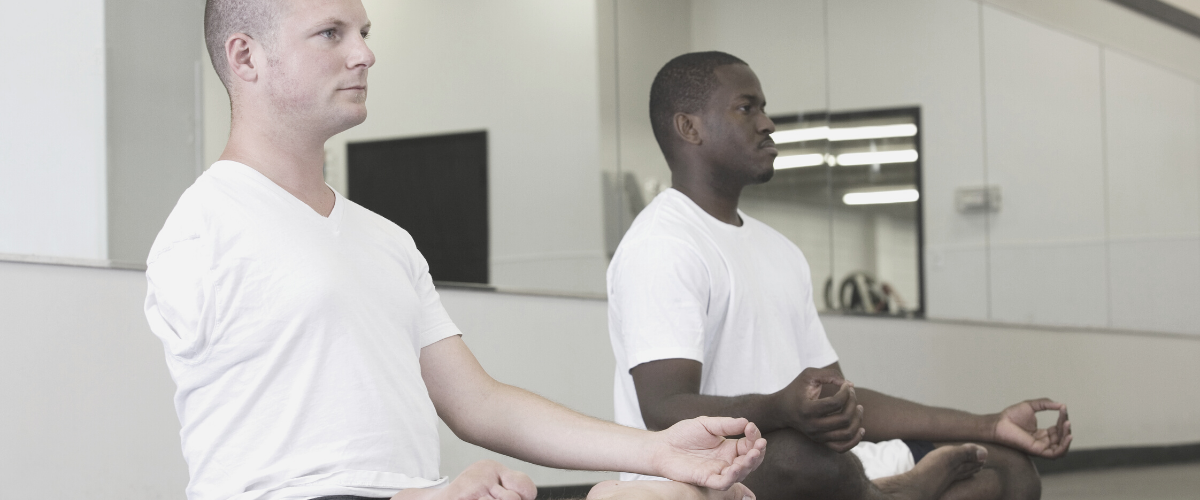
There are many reasons why students go to a yoga class or seek out private yoga instruction. To make the right personal decision, students look seriously at their intentions for seeking out yoga education, yoga instruction, or yogatherapy. Yoga provides the tools for a process of self-investigation and self-development that ultimately guides practitioners toward a realization of the Self. However, the general public often sees yoga as a system of exercise. Students most often go to a yoga class to exercise in a venue with a like-minded community. Those who see that yoga is more than just exercise may look for instruction to explore its other aspects, such as pranayama or meditation. Regardless of the intention, they will gain some benefit by learning and practicing yoga.
VERSUS THE YOGATHERAPY CLIENT
When clients seek out a yogatherapist or a therapeutic group, they are usually coming to get help with or relief from some symptom, pain or health condition. Their main intention is not to learn yoga and in many cases, the instruction focuses on their complaint and how the yoga techniques can help them feel better or improve their function, rather than on the yoga techniques or methods of yoga practice. Clients can be yoga practitioners and seek holistic support that has its root in yogic philosophy. Others have no idea and simply seek relief, trying different ways including yoga therapy.
Yogatherapy is the process of empowering individuals to progress toward improved health and well-being through the application of the teachings and practices of Yoga — The IAYT Definition

THE YOGA teacher
There are as many different teaching styles as there are yoga teachers! Some teachers focus primarily on asana instruction, guiding students through their practices and adjust students in their practices. Often the teacher is guiding a group of students through a series of practices and includes a theme of point of focus for them. In a way, a teacher is a presenter and it's about what to do in a class. The scope of instruction can range from asana to pranayama to meditation, but instructors using their style will guide the students in their practices.
Other teachers empower students to guide their own experience, whether they are practicing alone or in a group setting. They seek to educate their students in how to practice. Good teachers are able to choose appropriate practices that meet the interests and abilities of their students. Whether their style is instructional or educational, yoga teachers focus on teaching the various yoga methods in a correct and appropriate way.
vERSUs THE specialized YOGA teacher
Some yoga teachers offer yoga classes for individuals or groups of people with specific conditions, often as a result of their own life experience around these conditions in their personal, professional lives. Common examples include yoga for pregnant women, yoga for trauma or burn-out, yoga for cancer survivors, yoga for veterans and yoga for amputees. A good yoga teacher must learn the contraindications for working with people that have these conditions and respect those contraindications while teaching the students appropriate yoga. The teacher is skilled to teach students yoga in a safe way respecting their health conditions.
VERSUS THE YOGATHERAPist
The yogatherapists is a yogateacher that developed him or herself further and fundamentally focus on their clients’ needs, helping a client restoring optimal balance in their whole system. Their job is to understand why their clients have come to see them and determine what they can do to support them. Yogatherapists are trained to assess clients through listening, questioning, observing, and if needed, appropriately touching with consent. Therapists look for ways to help their clients reduce or manage their symptoms, improve their function, and help them with their attitude in relation to their health conditions.
After assessing clients, therapists establish appropriate goals together with the client, educate the client where needed, develop a practice intervention, teach clients to practice that intervention, reflects and evaluates at the right time and supports a client to integrate yogic concepts into daily life. A yogatherapist may choose yoga techniques and possible merges those with other techniques (i.e. journaling, reflection, movement etc) in relation to how they will specifically benefit individual clients.
YOGA THERAPY ONLINE
BOOK YOUR SESSION HERE

The (specialized) yoga teacher is skilled to teach students yoga in a safe way respecting their health conditions.
THE YOGA class
You probably agree with me when I say that students often experience great and even therapeutic benefits from their yoga classes, no matter which type of class they are attending because of the therapeutic potential of yoga, so what is the distinction between a yoga class and a yogatherapy session?
Yoga teachers may offer a variety of yoga classes inspired by different styles or branches of yoga, adding different themes or focus points for example connected to the seasons. Yoga teachers teach group classes or sessions for individuals with or without specific conditions like yoga for pregnant women, yoga for heart patients, yoga for cancer survivors etc. In these classes, good yoga teachers learn the contraindications for working with people that have these conditions and respect those while teaching the students yoga. The intention in these types of classes is to teach these students how to practice yoga safely respecting their health conditions.
VERSUS THE YOGATHERAPY SESSION
Generally speaking, the intention in yogatherapy sessions for individuals or groups with specific conditions changes. There is a broad spectrum of what a yogatherapy session looks like, but in general imagine an intake and assessment where therapists will often focus on the specific symptoms that trouble their clients and identify methods to help them manage those symptoms.
Examples include helping clients with pain management, fatigue, or sleeplessness. In addition, the therapist's role is to empower clients to take a more active role in their self-care. Besides teaching yogic techniques its the therapist’s job support clients to overcome their challenges and gain independence. This asks for a different focus, a different type of education, and a different skill set. A trained (care-) professionals often has already some of the skills a yogatherapist has but may needs to develop the yoga philosophical and holistic perspective of optimizing health.
Although the distinctions may seem subtle in some cases, it is important for the yoga student and the yogatherapy client to be clear about their intentions when seeking out yoga professionals. It is also extremely important for yoga professionals — (specialized) teachers, therapists or care professionals who integrate yoga — to be clear about the intention and orientation of their work, honest about their level of training and understanding, and realistic about their skill sets.
THE DARK NIGHT OF THE SOUL, PREPARING CRISIS
terrapy | integrative yoga therapy
3 important keys for amputation and yoga therapy
dealing with PHANTOM LIMB SENSATIONS through compassion based yoga therapy
by Mark Workman
This is an updated post (originally from 2018), about the conversation we had with Mark Workman from Cobar, New South Wales, Australia already in 2018. We thought it could be still interesting today as the field of yoga therapy is emerging fast. Mark has written specifically about his story on limb loss and restricted mobility and yoga in the past and he shares his own experience of dealing with phantom limb sensations.
'In amputation, although the limb is gone, the nerve endings at the site of the amputation continue to send pain signals to the brain that make the brain think the limb is still there. Phantom limb pain can be mild to agonizing and even disabling for some. And it may lead to a lifelong battle with chronic pain. And it may lead to a lifelong battle with chronic pain. Women who have had a breast removed because of breast cancer may also feel phantom pain.
Some people experience other sensations such as tingling, cramping, heat, cold, and squeezing along with pain. You can feel any sensation in the portion of the limb that was removed (your "phantom" limb) that the limb might have experienced before it was removed.' (source)
PHANTOM LIMB PAIN
Phantom limb pain, as it is often called, frequently torments amputees. It is not always painful, an itch that you can’t physically scratch can drive you crazy and make it impossible to focus on anything. A friend of mine had his arm amputated and felt as though the limb was twisted into an unnatural position. While it wasn’t painful it was extremely distressing. What follows is my own experience of dealing with phantom limb sensations.
Yoga is not the standard method used working with amputees, but read on and you'll find out why it deserves to be added to every holistic recovery plan, especially after reading Mark's story. Mark speaks of limb loss and restricted mobility and how this is treated symptomatically very often, avoiding the topic of accepting the reality as it is as well as offering very useful ideas for yoga,- teachers and therapists to work with.

yoga CITTA vrtti nirodah
Dealing with my personal issues as well as assisting others is firmly based on the Yoga Sutras. Nothing draws attention to the fact that identifying with the body or the mind is the path to suffering more starkly than losing a bit of your body and storm of emotions that goes with it. The Sadhana Pada – the second chapter of the Yoga Sutras — is my text book for dealing with all of these issues.
It requires considerable reflection and skillful means to guide a person so they see that their life isn’t defined by their body or the various thoughts that appear in the mind from time to time.
Now, I can write in general terms about yoga, limb loss and restricted mobility but not much good will come off this without explaining how to apply it'. Nor do I want to give the idea that it is possible to avoid any reality.
That's why I'd like to start with reflecting on Patanjali's yoga sutras and especially the verse: yogas citta vrtti nirodah — ‘Yoga is stopping the whirlpools of the mind’ (My own translation). I think that sutra is tattooed on the back of my eyelids now. Everything I do is based on it. This is my bias and what I write should be understood from that perspective.
3 IMPORTANT KEYS FOR AMPUTATION, PHANTOM LIMB SENSATIONS AND YOGA THERAPY
The experience of phantom limb sensations are related to neural pathways. Pathways are being re-established after limb loss but without help will often re-establish existing patterns i.e., if you don’t do something to guide the process you’ll get what you had before – but then without the matching limb. This may cause confusion and frustration. Important keys to start with:
1 :: Start early, the sooner after amputation the better
2 :: From denial towards acceptance
3 :: Work with kindness and friendliness (towards the whole self, including the amputated limb)
Start early
Soon after my leg was amputated — which showed to be the ideal time — I started my yoga practice again. Since then, I have adapted the practice for other people too and the key to adaptation is to get acceptance of the residual limb (stump).
ACCEPTANCE
I would be careful not to set too many expectations, especially for people who have phantom limb sensations lasting longer than 8 months after an amputation. In that case, it is likely to takes longer to deal with acceptance because the neural pathways are more established.
KINDNESS
A lot of issues start because people are in denial about their amputation and don’t ‘make friends’ with their amputated limb. Rubbing it and looking at it are quite important. Often it is the sight of a newly amputated limb that puts people off. I understand why, it is weird, but it is important to accept your body’s new configuration by both looking at it and feeling it.
breathe first, mindfulness and compassion follows
So… having made friends with what is left of my right leg this is the process that I used. It worked for me very quickly and continues to work in the very rare cases when I have some phantom sensations. They usually occur when my prosthesis presses on my leg in an unfamiliar way when it is tired and sore.
First I regulated my breathing so there could be a bit of focus. No need to get too picky about precise technique but extended exhalation and conscious inhalation matter. A 1:1.5 ratio is sufficient. The focus in the instance is the residual limb. Notice the change in sensation between inhalation and exhalation. People often use the language of breathing into their residual limb which is fine as long as it isn’t taken literally.
The next step is mindfulness, to look at the limb and see what it really looks like, visually locating the change of sensation between inhalation and exhalation. In my case the obvious thing to see is that there wasn’t a foot regardless of what I might have been feeling. However, the residual limb does have feelings that are consistent with what it is really like. Focusing on those feelings is the point of this step.
While focusing attention on sensations in the residual limb I felt it with my fingers until the place where the phantom sensation was actually coming from was located. It might be sensitive or the phantom sensation simply changed when a certain spot is pressed. While I was looking at the spot on my leg and pressing it gently so I focused on the feeling in that precise location I simply told myself, 'The feeling is here, there is no foot.'
I did so with compassion and a degree of humor and I have found that matters to other people as well. The end result is to have a response rather like ‘Oh, the feeling is here, silly'. It definitely doesn’t help to get serious and morose about it. While people do have to go through a grieving process regarding their old limb, this process requires acceptance. I found that doing this practice every time I felt a phantom sensation stopped them very quickly. After two weeks I had no serious phantom limb sensations. This is important if one wants to be able to do what nurtures the soul.

from pain, fear and denial management
This is interesting for people, especially care and yoga professionals, because there aren't many opportunities to hear about the early stages of limb loss. This is useful both for understanding as well as some insight into the adaptation of techniques for mental focus that I used to reprogram the associated neural pathways.'
'The response begins with this saying from Krishnamacharya 'Teach what is inside you, not as it applies to you, to yourself, but as it applies to the other'.
An example of applying that from my experience is managing pain. Pain is worse the more afraid you are. Naturally, Pranayama helps greatly and if you can suppress the activity of your sympathetic nervous system sufficiently even extreme pain becomes just an unpleasant sensation. Now I am across Pranayama but a person I am helping at the moment, almost certainly isn't.
It is usually not possible to get someone to the point where they can manage pain by a direct approach, i.e., 'Do this and you'll feel better'. Pain is complex. So working on reducing fear — which can approach blind panic — is an important beginning. That requires an understanding of what triggers the fear for a person as well as finding out what engages them, to decrease the intense focus on themselves. Often the care for their children, grandchildren, dog, whatever can start the process.
Once there is a purpose that a person really cares about it is possible to teach them some breathing techniques to reduce the experience of pain. They will need support because it may hurt more at first as their existing way of coping switches off and the new method begins. They may be going from denial to management and that is an important step to help them through. Gently bringing the practice back to its purpose e.g., to be able to support their grandchildren as they grow up, helps people stay in track and get past difficult bits.
It is not always painful, an itch that you can’t physically scratch can drive you crazy and make it impossible to focus on anything
Mark Workman
from human to human
In circumstances like that, caring for another person as a human, not so much as a therapist, is of great value. Being the wise educated therapist often puts a barrier between you and the person you are working with.
So along with teaching what is inside you as Krishnamacharya counsels, I would add another saying. 'People don't care how much you know until they know how much you care'. And, there is no such thing as an uninterpreted fact, is a lesson that I have never forgotten.
As a therapist dealing with limb loss and restricted mobility you are faced with that fundamental issue all the time. While all of our work to relieve pain, assist with methods to strengthen, straighten and balance the body or reduce stress and anxiety is important, in the end our goal has to be to help people have a full life and that is only going to happen if the fullness of life isn’t depends on a normally functioning body and old life habits.
To put it simply and to avoid getting mystical about limb loss etc., I have to define my life as an amputee, the fact that I am an amputee mustn’t define me. It is our job as therapists to be our clients' companions on that journey. And we have to face the fact that we can’t make that journey for them any more than we can walk for them.
It can be frustrating and at times heart wrenching, especially when working with people that have bought into being disabled. But in the final analysis we have done our job when our clients can work out life for themselves and they don’t need us any more. It reminds me of story about a young monk who was always at his prayers.
The abbot of the monastery asked him: “Why are you bothering God all the time?”
The monk replied, “It was you who taught us that God is our father.”
“Yes” replied the abbot, “but a father isn’t someone you lean on, a father is someone who teaches you how not to lean”.
Perhaps it is the same for therapists.
Thank you,
Mark.
Do you like what you read? Integrative Yoga Therapy offers an universal system that is easy to implement and complements any other care or treatment plan. If you wish to learn more about our yoga program or learn more about yoga therapy by reading this article.
You like what you read?
Sign-up for the newsletter and receive updates and more!
the effects of yoga on student mental health
Scientific News by Irina are back: after a break of almost a year, I return to my small but beloved project — scientific news for Network Yoga Therapy. I will write about the latest research on yoga, yoga therapy meditation, and other mind–body practices. Every week I scan through 50–100 new articles on these topics, and try to filter out the most interesting and high quality ones.
STUDENT MENTAL HEALTH
So, today we look at student mental health in a Norwegian yoga study. Why students? Young people often experience mental difficulties, but rarely seek help. To prevent them from slipping into depression and other severe conditions, it is essential to find effective preventive interventions that reduce stress and maintain mental health.
Students who did yoga showed significant reductions in stress levels and statistically significant improvements in quality of life and mindfulness. The number of students in the yoga group with high-stress scores decreased by a third. Moreover, the effect was noticeable even three months after the end of the intervention.
The Norwegian study involved 202 university students (87% women). The students were randomly divided into two equal groups. One group did yoga twice a week for three months; the other/control group was on a waiting list. The effect of the exercises was measured three and six months after the start, using standard psychological questionnaires.

Students who did yoga showed significant reductions in stress levels and statistically significant improvements in quality of life and mindfulness.
Yoga study
I like this article because it has a reasonably large sample for a yoga study. The more participants there are in a study, the better you can trust the statistical results. Like in many other psychological studies, the effect of yoga was moderate — which means that yoga did not necessarily help all students in the group. But those who did yoga were more likely to improve their condition.
I also like that the students in the control group were invited to start the same yoga course once the study ended. It's a fair (and a very yogic) way to organise such a study.
HI, I AM IRINA

I am a yoga teacher and a scientist. In this blog I write about the most recent scientific research about yoga/meditation/mindfulness. Please leave comments and share your thoughts!
Feel free to read Irina's previous blogs are here.
Share your thoughts!
I would love to hear back from you — please get back to me with your comments, questions and tips. What topics interest you the most?
You like what you read?
Sign-up for the newsletter and receive updates and more!
yoga helps to treat infertility
Mind–body interventions in infertility and pregnancy rates
A systematic review published in January 2020 analyzed a dozen studies of mind–body interventions in infertility. The outcomes are compelling: yoga and mindfulness practices reduce anxiety and depression in women during infertility treatment.
There is also an indication that mind–body interventions increase pregnancy rates, though not many studies followed the participants for a sufficiently long time to make reliable conclusions about pregnancy outcomes.
“When faced with a diagnosis or a life crisis, do we turn a deaf ear to all the helpless voices inside us calling out for help, or give each one the attention it deserves? — The Fertile Female by Julia Indichova
Grief, depression, and anxiety
Most women included in the reviewed studies had signs of mild anxiety and depression. It is not surprising — women undergoing infertility treatments have possibly lived through years of despair, guilt, and grief.
Infertility problems and pregnancy losses are prevalent: one in ten pregnancies results in miscarriage. Yet, we do not talk about it openly, and women often receive little support during the time of treatment.
Western protocols offer technical solutions to infertility but do not give us the tools to cope with difficult emotions. Holistic treatments and mind–body practices can fill this gap. I had a first-trimester miscarriage myself and felt incredibly sad and lonely, especially since I had to decide if I wanted to terminate the pregnancy when the heartbeat was no longer detectable. Yoga helped me to find compassion towards my body, rather than feeling angry with its failure. Yoga also helped me to navigate through waves of anxiety during the following pregnancy.

Is there “yoga for hormones”?
Research data now confirms what many other women and myself have discovered before: mind–body practices can support us on the path to motherhood. We do not know if it is particular yoga asanas that are helping, or perhaps it is simply the general de-stress quality of yoga.
If we want to build a balanced practice, it's better to let go of the idea that one asana targets one specific hormone problem.
Physical exercises affect many hormones and body parameters, such as heart output, blood biochemistry, and nutrient supply to organs. Slow breathing and focused attention reduce physiological stress reactions. As a combination of meditation and physical exercise, yoga could be an efficient protective strategy against hormonal imbalances. A shift in the physiological state towards calm and resilience makes miracles happen.
yoga therapy, mental health & mother earth?
terrapy | integrative yoga therapy
HI, I AM IRINA
I am a yoga teacher and a scientist. In this blog I write about the most recent scientific research about yoga/meditation/mindfulness. Please leave comments and share your thoughts!
Feel free to read Irina's previous blogs are here.
what can yoga do for healthcare?
Healthcare professionals under stress
According to a report by the Dutch National Register of occupational disorders, healthcare providers in the Netherlands experience more mental distress than professionals from any other sector. At the same time, British Medical Association talks about a mental health crisis in healthcare professionals. Chronic stress, mood fluctuations and sleep disturbances put doctors at risk for health problems. A survey of thousands of doctors and medical students shows worrying levels of burnout, a high prevalence of psychological and emotional conditions, and a concerning number turning to alcohol, drugs, or medication (British Medical Association 2019).
“While there is no denying that being a doctor is a challenging and demanding role, too often the line of what can be considered routine pressures of the job has most definitely been crossed and the consequence is a workforce that has been pushed to literal breaking point.” – BMA
Good care starts with yourself
At Network Yoga Therapy we believe that yoga-based practices should be included in the healthcare sector, as a lifestyle management tool both for doctors and patients. Yoga is a tool for transforming mind and body patterns and working to improve health and wellbeing. In a world where most diseases come from poor lifestyle choices, yoga can be seen as a “lifestyle therapy”.
A study that came out last week (January 2020) in the Journal of Alternative and Complementary Medicine showed that yoga improves psychological and occupational health in frontline professionals. The study participants took part in a 5-day course, including yoga, meditation, mindfulness, and breathing exercises. A series of psychological tests showed an improvement in stress levels, mindfulness, empowerment, and self-compassion immediately after the course. Practicing yoga brought sustained improvements in the long-run: the study shows that the positive changes lasted for at least 6 months.
In what way can yoga or yoga-based lifestyle interventions be integrated in healthcare? Do you know of any ongoing projects anywhere in the world?
Personal empowerment and holistic lifestyle management
This year we started Svastha 200 hours yoga teacher training and professional development for healthcare professionals, in collaboration with the Amsterdam School for Integrative Medicine & Health. During this training, we work towards personal optimal balance through an intensive yoga and meditation program. We investigate the original holistic wisdom from the yogic tradition and the basic principles of Ayurveda for optimal health balance. We show how to develop yoga and meditation classes for groups and in a 1-on-1 setting, for example in the consultation room.
You like what you read?
Sign-up for the newsletter and receive updates and more!
HI, I AM IRINA
I am a yoga teacher and a scientist. In this blog I write about the most recent scientific research about yoga/meditation/mindfulness. Please leave comments and share your thoughts!
Feel free to read Irina's previous blogs are here.
does meditation change the brain? The chicken-and-egg question
Does meditation change the brain? Or do an individual brain's qualities make some people more attracted to meditation than others?
You might expect someone who meditates regularly to show up as calm and thoughtful. Yes, research shows that meditation practitioners tend to have low impulsivity. But what comes first? Does meditation make someone less impulsive? Or do naturally calm people choose to spend time meditating?
Impulsivity is a personal trait, a tendency to act on a sudden urge. Extreme impulsivity is linked to psychological disorders (ADHD, personality disorders, and even brain injuries). Studies show that impulsive behavior correlates with brain structures responsible for planning and motor control.
A 2019 study compared these brain structures in long-term meditators (people with thousands of hours of lifetime meditation practice) with people who have never meditated. Researchers found differences in the neural measures of impulsivity between the groups. However, the brain measures were not dependent on the extent of meditation practice. Instead, differences between meditators and non-meditators may be pre-existing. People with a particular neurological make-up may be more attracted to extensive meditation practice than others.
REFLECT NOW!
Does meditation change the brain and personality? Or do baseline differences in impulsivity, compassion, and other characteristics make some people more attracted to meditation?

Another study from 2013 showed that people engaging in compassion meditation might have a neurological predisposition in the way they respond to suffering. The study participants received painful electrical stimulation, and watched others receiving same stimulation. Neuroscientists put people through this unpleasant process to measure their empathy and brain responses. Participants then took up compassion and mindfulness meditation training. The brain activity in response to pain predicted how much time they would spend practicing mindfulness and compassion.
Does meditation change the brain and personality? Or do baseline differences in impulsivity, compassion, and other characteristics make some people more attracted to meditation?
I think that, likely, both are true.
Anything that we do over and over again shapes our brain. At the same time, our brain determines if we stick to the practice.
You like what you read?
Sign-up for the newsletter and receive updates and more!
HI, I AM IRINA
I am a yoga teacher and a scientist. In this blog I write about the most recent scientific research about yoga/meditation/mindfulness. Please leave comments and share your thoughts!
Feel free to read Irina's previous blogs are here.
teaching inclusive, safe and ethical yoga – part 2: Safety and Trust
Ahimsa, the ethic of non harming can take on a number of meanings in the yoga classroom, including ensuring safety, being trustworthy, maximising choice, collaboration, and prioritising empowerment. These principles are important in a broad range of settings but especially vital in yoga contexts where many practitioners expose their bodies, minds, and vulnerabilities.
Whether through replicating inherited behaviours and practices from past generations or adopting business practices meant for commercial contexts, or not understanding the ways in which violence, victimization, and other traumatic experiences may exclude victims/survivors of trauma, many common practices in modern yoga fall short of these principles.
Part 1 of this paper discussed empowerment, maximising choice and the need for collaboration with students. This second part highlights some ways in which our practices can erode trust and compromise safety in the classroom.
While I draw from some of the standard practices learned from the Trauma Centre Trauma Sensitive Yoga framework [1] in offering possible ways forward, the possibilities are by no means finite. It is hoped that by highlighting these areas that we can focus our efforts to collectively imagine and shape paths ahead, so we may evolve as a profession and be better able to serve our communities.
Exaggeration is a standard technique in the world of advertising, and the norms in the political, cultural and media realm in general are heading towards seemingly ever increasing exaggeration and hyperbole. Increasingly, so too are the claims in yoga related advertising. It is now commonplace to see yoga advertising touting claims that are hyper-inflated, over generalised, or are baseless in science. This is commonly seen in claims about the health benefits of yoga - for example, that certain postures "wring out toxins in internal organs" [2], or “rinse the spine” [3] or “purifies the body” [4]. Another common area for mistruths appear in advertising for retreats and yoga teacher trainings. In these areas, concrete outcomes are promised. Just about any Google search for yoga retreat or yoga teacher training will bring up advertisements for experiences that guarantee healing, life transformations, spiritual awakenings, removal of emotional blockages and so on [5].
Many yoga practitioners turn to teaching because our lives have been touched by yoga in profound ways. But our own experiences are not an accurate predictor of another's experience, however strong our own convictions. Through exposure to increasingly inflated claims and exaggerated truths and imprecision in language, consumers have learned to be skeptical about both advertising, and the advertisers behind them. As English Professor Marilyn Chandler McEntyre says:
“We need to reclaim words that have been colonised and held hostage by commercial and political agencies that have riddled them with distorted meanings" [6].
Our hyperbole, imprecision and inaccuracy with our words leads to a mistrust that calls into question our trustworthiness and our integrity as people. If yoga is to be a healing, positive experience for our communities, the relationship between a teacher and the community needs to be built on trust. Without honesty and reliability in the information we share and the claims we make, there can not be trust - we need to mean what we say.
TRUSTWORTHINESS IN DESCRIPTIONS OF CLASSES AND TEACHERS
Related to trustworthiness and safety, is how accurately our classes match the class descriptions. Quite often, classes are advertised as being as welcoming ‘all abilities’ by those without the means to cater to those in wheelchairs, or those who can not sit on the floor, or can not kneel, or bear weight on their hands or those who can not follow the flow of a fast paced vinyasa flow class - such scenarios are common in the general public.
Facilitating chair yoga, offering variations to a genuinely broader range of the public requires skills often not covered in basic 200hr and 500hr yoga teacher training programs. Without the requisite training or experience to cater to the general public, it could be harmful to those attending those classes to hold ourselves as being able do so.
TRUSTWORTHINESS: SURPRISE CLASSES
Well-meaning teachers may at some point want to incorporate new modalities to keep classes fresh for example, trauma release, dance, or group sharing, sound bathing, tea ceremonies, wine tasting, yoga selfie events and so on. While some students may enjoy the new activity, this comes at the cost of others. One of the key defining experiences of many trauma survivors is the feeling of being unsafe [7] - it stands to reason then that the first imperative of working with those with traumatised histories is to create conditions of safety. And for many, this means predictability. Surprise classes and unpredictable contexts that students did not consent to threatens to undermine the feeling of safety and leave some feeling exposed.
Make your classroom a safe space
- Examine who you are capable of teaching and be upfront about it
- Define what you offer clearly and honestly
- Match class content with your description
- Define boundaries around what you are competent to do, and not do
- Develop a list of trusted professionals you can refer students to
- Learn to break down postures to their most basic elements
- Observe what you praise and use it consciously
- Support and be kind without assessing students’ performances
- Consistently remind students of the value of listening to their bodies
- Avoid terminology that ranks postural practices as beginner or advanced, simpler or harder, challenging or easy
- Consider not touching students
- If you are using adjustments, use a system for seeking consent
TRUSTWORTHINESS: SCOPE OF PRACTICE
Scope of practice describes the procedures, action and processes that professionals are permitted to undertake in keeping with the their training and education. Scope of practice issues often emerge in dealings with students who have injuries or other health conditions, require counselling, or advice in relation to physical therapy, diet and nutrition. Given the power relations between a teacher and student, even a passing comment can be taken as actual advice when it is given by a teacher in a classroom.
For those with a history of eating disorders, or struggle with negative body image, hearing recommendations to fast, diet, cleanse etc in the context of a yoga class can have disastrous effects.
Advice beyond your scope of professional competence can compromise a student’s wellbeing - causing or prolonging confusion, fear and doubt, misdiagnosis and mistreatment or worryingly, delay seeking attention from someone qualified or worse, discourage seeking advice from qualified professionals all together.
Even if a facilitator is qualified in another area, if their role at in the classroom is to teach yoga, then arguably they should perform the role they were engaged to perform.
You like what you read?
Sign-up for the newsletter and receive updates and more!
SAFE ENVIRONMENTS: YOGA BODIES
How we represent yoga has implications for who feels welcomed, who feels able to access yoga services, and who feels welcomed, who feels ‘at home.’ When our representation of yoga prompts otherwise interested people to self- exclude, we can do yoga and the public a disservice.
The world of advertising, which has largely normalized unrealistically thin bodies to create an unattainable desire that sells has long been criticised for perpetuating problems of poor self esteem, body negativity and anxiety amongst women.
“the media perpetuates a market for frustration and disappointment ensuring customers will never disappear” [8].
Worryingly, the yoga industry has borrowed the same tactics. Yoga related advertising often conflates yoga practice with stunning displays of hyper- flexibility and athleticism, and ’yoga bodies’ as belonging to thin, young, flexible, able bodied women who are often also white [9]. Yoga Journal models are less diverse today in age and race than they were 40 years ago and female ad model body sizes have changed in line with society body ideals [10].
Berger discusses experiences of black women and yoga who affirm the ‘skinny white girl yoga culture’. The effect of this culture can be triggering and trauma-inducing for many Black women who have to navigate in spaces where they feel they don’t belong.
“I’m a black woman who’s been doing yoga regularly since 1989. I don’t enjoy the skinny white girl yoga culture that is prevalent where I live .. so it’s rare that I'll go to a class. Instead I practice at home, usually late at night. Light a candle, burn some incense, put on some mellow music and practice on my Mexican blanket for about 30 minutes. Yoga is for everybody” [11]
SAFE ENVIRONMENTS: PHYSICAL INJURY
While yoga is generally safe, the rates of yoga related injury is rising [12]. How we structure our businesses or classes have a bearing on safety levels for students. Running large classes where odds are stacked against our ability to spot when someone might need assistance is a factor for injury risk. Employing business models that allow people with no yoga experience to become yoga teachers after a month or two of training, employing or ‘certifying’ minimally experienced teachers who then go on to teach is another factor leading to increased injuries [13]. When we consider the combination of large classes, minimally trained teachers, who use physical adjustments the risks are compounded.
SAFE ENVIRONMENTS: ENCOURAGEMENT TO INJURY
Another way we can expose students to physical injuries is through how we encourage students in class. It is common in classes to see teachers praise demonstrations of athleticism in class, or moments of ‘achieving’ postures. The short term effect of praise may be boosting for a student - but the subtle implication could be that external achievement is praiseworthy. How we praise communicates what we value. If we encourage students to explore the edge of their physical limits without equally reminding students of the value of easing off, we may send messages that amount to ‘more and further is better’.
Encouraging external achievement can be problematic in a number of ways. First, it deprives a student from exploring subtler sensations. Second, chasing accomplishments in asana fosters a mentality that will inevitably lead to injuries. Finally - if we aim to facilitate students towards embodiment and connection with their own mental, emotional and physical experiences, then this mentality works in the opposite direction of steering students towards using yoga as another way to dissociate, to push forward despite, not because of, feedback from their senses.
Praising external achievement may at times subtly reinforce the impression that the most athletic asana equates to the most ‘advanced’ yoga which exposes students to the risk of physical harm and closes them to the benefits of non-asana practice.
Whether this perception attracts people expecting yoga to teach them impressive feats of flexibility or repels people who can not see themselves in such depictions of yoga practice, the effect is equally misleading and harmful in the same way that widespread advertising of unattainable beauty standards has been shown to negatively affect the self-esteem and health of young women.
SAFE ENVIRONMENTS: EXPOSURE TO EMOTIONAL INJURY
Many yoga teachers intend to help their students to create a positive attitude or mindset particularly during times of grief, stress, or other difficulties. But we can emotionally injure students by suggesting to them how they should feel. There are many variations on themes of ’be positive’, ‘stay happy’, ‘be grateful for what you have rather than focusing on what you don’t’ etc in the yoga landscape. Such can minimise a student’s emotional state or negate their actual experiences.
Suggestions that: "everything happens for a reason"[14] or that our own thoughts cause everything that happens to us can be especially cruel to those who have suffer violence, abuse, neglect, poverty and/or tragedy. Yoga and teacher teachers should not amplify or magnify trauma through well meaning, but ill-considered commentary or logic.
yoga therapy, mental health & mother earth?
terrapy | integrative yoga therapy
SAFE ENVIRONMENTS: CONSENT
In many schools of yoga, touching the physical body has been an established teaching tool. Many teachers assume their touch will be welcomed by students. Touch can be soothing, healing and helpful for some. Sometimes touch will invoke fear, inadequacy, intimidation, violation, confusion, pain, and disorientation - it is impossible for a yoga teacher to know how touch will be experienced by the recipient, or to imagine what sensations, memories, or associations will be triggered by that touch - especially in trauma contexts.
“Sensory messages from muscle and connective tissue that remember a specific position, action or intention can be the source of the trigger”. [13]
If we simply assume that our well intentioned touch will be well received - it is a matter of time before that physical contact will intrude on someone’s feelings of safety. This is just as true for what we feel is skilfully applied touch done with valid reason as it is for aggressive adjustments: the impact is not caused by our intention, but by the recipient’s response to our act.
Holding classes where participation in class involves students touching each other, for example, group massage or partner yoga when there is no pre-warning of such touching prior to class can also feel intrusive or unsafe to some participants.
Many teachers now consider best practice is not to touch students at all, using verbal cues and demonstrations to guide students instead. For teachers who continue to use physical adjustments, securing timely and meaningful consent to physical touching is essential to avoid harming students. Consent should be sought ahead of time before class, and allow the space for people to change their minds during class. Asking for consent while students are in the middle of a posture, or asking for verbal consent in front of others can make someone feel put on the spot and pressured to consent.
HI, I AM Yonnie

I am committed to the values of diversity and social inclusion, and deeply values yoga and movement practices that are accessible to all without exception.
Read more about Yonnie and her work here.
THANK YOU FOR READING THIS!
Yoga classrooms can be safe, healing, respectful spaces. However, inherited behaviours and practices from past generations, adopting mainstream advertising techniques, and failing to understand ways in which violence, victimisation, and other traumatic experiences may exclude victims/survivors of trauma has eroded student empowerment and compromised safety in yoga classrooms. It is hoped that by highlighting these areas we can apply that understanding to how we design yoga spaces so as to be consonant with healing and recovery.
Feel free to share your story, question or feedback below this post, we love to hear your voice too!
- Yonnie Fung
- Emerson, David Overcoming Trauma through Yoga: Reclaiming Your Body , 2011
- https://www.organicauthority.com/energetic-health/yoga-twist-to-detox-cleanse-body
- https://www.theguardian.com/science/sifting-the-evidence/2014/jan/13/demystifying-detox-can-yoga-really-cleanse-the-liver
- https://www.active.com/health/articles/yoga-detox-poses-to-cleanse-your-body
- https://www.yogajournal.com/lifestyle/9-india-yoga-retreats-that-will-change-your-life
- McEntyre, Marilyn Chandler, Caring for Words in a Culture of Lies, Wm. B. Eerdmans Publishing, 2009, p 7
- Greenwald, Ricky Childhood Trauma, A handbook, Haworth, 2005
- Hamburg, P. (1998). "The media and eating disorders: who is most vulnerable?" Public Forum: Culture, Media and Eating Disorders, Harvard Medical School.
- Webb, J, Vinoski E, Warren-Findlow, J., Padro, M., Burris, E., Suddreth, E., Is the “Yoga Bod” the new skinny?: A comparative content analysis of mainstream yoga lifestyle magazine covers, Body Image, Volume 20, 2017, Pages 87-98
- Erin Vinoski, Jennifer B. Webb, Jan Warren-Findlow, Kirstyn A. Brewer, Katheryn A. Kiffmeyer, Got yoga?: A longitudinal analysis of thematic content and models’ appearance-related attributes in advertisements spanning four decades of Yoga Journal, Body Image, Volume 21, 2017, Pages 1-5
- Berger, M. T. (2018). I Do Practice Yoga! Controlling Images and Recovering the Black Female Body in ‘Skinny White Girl’ Yoga Culture. Race and Yoga, 3(1). Retrieved from https://escholarship.org/uc/item/3w04347q
- Swain TA, McGwin G. Yoga-Related Injuries in the United States From 2001 to 2014. Orthop J Sports Med. 2016;4(11):2325967116671703. Published 2016 Nov 16. doi:10.1177/2325967116671703
- Rothschild, B. The Body Remembers,. New York: Norton, 2000, page 45
- https://www.doyou.com/everything-happens-for-a-reason/; https://thelifester.com/everything-happens-for-a-reason/
References
teaching inclusive, safe and ethical yoga – part 1: Empowerment
Ahimsa, the ethic of non harming can take on a number of meanings in the yoga classroom, including ensuring safety, being trustworthy, maximising choice, collaboration, and prioritising empowerment [1]. These principles are important in a broad range of settings but especially vital in yoga contexts where many practitioners expose their bodies, minds, and vulnerabilities.
While yoga promises tools for self empowerment and healing, yoga classrooms have not always been empowering, safe nor inclusive spaces for all, nor have our practices always been consonant with empowering our communities.
Whether through replicating inherited behaviours and practices from past generations or adopting business practices meant for commercial contexts, or not understanding the ways in which violence, victimisation, and other traumatic experiences may exclude victims/survivors of trauma, many common practices in modern yoga fall short of these principles.
This 2-part essay Written by Yonnie Fung considers the ways in which our practices in yoga may erode empowerment, take away from agency, and undermine safety. It is hoped that by highlighting these areas that we can focus our efforts to evolve as a profession and be better able to serve our communities.
EMPOWERMENT AND TRAUMA
Trauma is universal. Global statistics consistently reveal that domestic and sexual violence, physical abuse and sexual abuse affect between 35 per cent to 70 per cent of women [2]. The landmark Adverse Childhood Experiences Study of 17,000 people found that 28% of study participants reported physical abuse and 21% reported sexual abuse [3]. The World Health Organisation reports child abuse as having affected 1 in 4 adults, and child sex abuse as affecting one in 5 women and 1 in 13 men [4], Trauma affects returning veterans [5], people of colour[6], members of the LGBT population [7], users of the public mental health system, substance abuse and social services [8].
For any yoga teacher, it can be safely assumed that our classes will be attended by at least some whose lives have been impacted by traumatic experiences - even if such people, choose not to identify as such.
EMPOWERMENT AND AGENCY
Empowerment refers to measures designed to increase a person’s autonomy. Approaches may vary according to context but they share the common theme of increasing one’s capacity to help themselves, not viewing people as passive or helpless victims to be rescued.
Yoga, at its best, can empower practitioners to reclaim their bodies, to take control of their own emotions and to establish tools for emotional resilience. Facilitators can guide participants towards making choices about their own bodies, to develop confidence, to listen to and trust their sensations; and ultimately to develop independence. Trauma expert Judith Herman underscores the importance of empowerment in the trauma context:
"Many benevolent and well-intentioned attempts to assist the survivor founder because this basic principle of empowerment is not observed. No intervention that takes power away from the survivor can possibly foster her recovery, no matter how much it appears to be in her immediate best interest" [8].
EMPOWERMENT: ACKNOWLEDGING POWER DIFFERENTIALS AND SHARING POWER
Classroom settings involve uneven power dynamics where the teacher inherently has more power [10]. They have the right to speak, their words carry weight and they are assumed to be experts in the room. The student, by contrast, has less of a voice. They are tacitly expected to listen and follow the teacher’s instructions. They are not experts.
The authoritarian styles of many yoga lineages exemplify power differentials between teacher and student starkly.
Within them, teachers are granted the right to decide which postures a student is allowed to practice, in which way, in which order, at what time, whether or not to use props, which ones, and in which way. Over time, students may become habituated to viewing the right to place their bodies into a particular posture as a reward which needs to be earned, foregoing personal autonomy over their physical bodies and sense of self. Ashtanga teacher Zoe Ward describes how postures are viewed as hers to be given and taken as a teacher:
“If someone is collecting poses, I will stop giving them, even if the body is working fine. If someone is interested and humble in their work, I may let them play with things that haven’t physically ‘earned’ yet. Some people don’t like me for requiring this work" [11].
Authoritarian structures can disturb a person’s sense of autonomy and diminish the value of their own lived experience and expertise of their own bodies.
“After 6 years of deferring to the authority of a severe Teacher, I found myself incapable of trusting my own judgement. Everything I learned, from my own work and my own body, required the approval and validation of my teachers before I could trust it” [12].
The all knowing teacher is believed to know the practitioner’s body better than the practitioner knows themselves. Far from empowering a student to trust their own bodies, students are required to ‘submit’ or ‘surrender’ to the teacher’s physical manipulations(13), a process which makes following one’s own limits and being guided by one’s own sensations impossible. In the words of Sharath Jois, the current head of the Ashtanga lineage:
“Knowledge can be transferred only after the student has spent many years with an experienced guru, a teacher to whom he has completely surrendered in body, mind, speech and inner being. Only then is he fit to receive knowledge" [14].
10 ways to empower
your students
1. Use invitational language
2. Practice interoceptive cueing
3. Introduce a variety of different alignment options
4. Invite students to participate in decisions about their own practice
5. Ask about a student’s own experience of their own bodies
6. Acknowledge that students possess expertise in their lived experiences of their bodies
7. Invite feedback
8. Remember victims of abuse and acknowledge their trauma
9. Believe their experiences and stand up for them
10.Be transparent
EMPOWERMENT: ADJUSTING LANGUAGE
The simplest and perhaps most overlooked way yoga teachers undermine their participants’ empowerment in the classroom is through language choice.
Cueing students to move their bodies in language that might sound like an instruction, direction or command can be disempowering. Common examples are: “I want you to do X” or “you’re going to raise your arm” or “step your right foot forward for me”.
These phrases subtly imply that the movement is in service of the teacher. This may conjure up triggering dynamics for sexual abuse survivors, those that have experienced rape, or were molested as children where their bodies were manipulated in the service of others.
Another problem with prescriptive language is it’s implied choice-less-ness. One of the key experiences of trauma is having no choice. Children in abusive or neglectful homes, women in abusive relationships, being held hostage - in all these scenarios, victims feel they have no choice.
Prescriptive cuing reenacts choice-less-ness. Furthermore, in cases where survivors can not avert the abuse, they become habituated to choice-less-ness and can lose the neural ability to make choices [15]. While invitational language will help to re-establish this neural ability, prescriptive language potentially entrenches it.
EMPOWERMENT: INTEROCEPTION
Thirdly, prescriptive cueing interferes with a student’s interoception which is critical for our sense of embodiment and wellbeing. Broadly defined, it is the sense of signals originating within the body [16]. It emerged as a basic survival system that allows one to monitor what they need to preserve life.
Interoception allows us to detect afferent/visceral sensations including when we feel hungry or thirsty, feelings of pain, stress, sadness or anxiety. It has much broader applications extending to our ability to make decisions, regulate our emotions, empathy and addiction [17]. Practising yoga asana is an opportunity to re-establish interoceptive capabilities if participants are guided to listen to their own internal cues.
Many trauma survivors can have experiences of both hyperactive and compromised interoceptive capacity. Children, in abusive environments for example, develop extraordinary abilities to scan for warnings of attack, becoming very attuned to recognise subtle changes to their external environment [18]. However, this comes at the cost of their ability to feel what is going on internally.
Interoception may also switch off in situations where people learn that their needs will not be met, or their needs anger their caregivers. Children raised in neglectful homes become habituated to having their needs ignored so over time, their ability to perceive their needs become weakened [19]. While this helps victims survive, in the long term, being unable to identify and fulfil one’s own needs can make life very challenging.
Yoga can help to reestablish interoceptive capabilities if participants are guided in such ways that encourage them to listen to their own bodies [20]. Prescriptive language further entrenches the pattern of not listening to the internal cues - in other words, they encourage disembodiment when the situation calls for the opposite course of action.
As yoga teachers, we should be striving to facilitate in ways that do not reenact trauma dynamics of neglect and abuse, rather, to work against these dynamics to create safe spaces to practice and develop safe and respectful relationships to practice [21].
You like what you read?
Sign-up for the newsletter and receive updates and more!
Empowering and enabling students means creating conditions of safety should be one of our highest priorities. However upholding this obligation to physical safety can at times paradoxically disempower students contributing to anxiety and dependency.
Verbal suggestions can cause hyperalgesia which is an increased sensitivity to pain. Common classroom examples might be cautions on how it is “dangerous to hypertextend” or to the need to ‘protect the knee by doing x’, or the suggestion that certain alignments as ‘unsafe’ or ‘destabilising.’
Such alignment cues are intended to help people avoid injuries, but the negative language of pain and harm can have a noticeable effect [22] which induces anxiety about impending pain increase [23] and creates fear or anxiety of movement. Such language encourages a mentality of helplessness and dependence on the teacher without whom one won’t know how to move safely. They may plant the seeds for the belief one can’t trust their own bodies, or that they can not move safely.
yoga therapy, mental health & mother earth?
terrapy | integrative yoga therapy
EMPOWERMENT AND TRANSPARENCY
The yoga world has seen every major yoga lineage mired in scandal and its leaders exposed as perpetrators of different kinds of abuse to their community members [24]. While the lineages were different, the responses played out in similar ways. Leaders in the various lineages were not transparent or accountable. When survivors spoke out, many in the community denied their experiences, discredited the survivor’s credibility and isolated the survivors.
Others have attempted the moral impossibility of placing a foot in each camp - on the one hand, stating their support for the victims while on the other, expressing their loyalty to perpetrators and the power structures that allowed the abuses to happen [25].
As Herman observes, “it is very tempting to take the side of the perpetrator. All the perpetrator asks is that the bystander do nothing…The victim, on the contrary, asks the bystander to share the burden of the pain. The victim demands action, engagement and remembering” [26].
In the aftermath of truth being exposed, we can experience a range of mixed feelings which being in this conflict entails. This can manifest itself in sympathy for those abused, without the costs of supportive action - carrying on our daily lives as though nothing has happened.
We can compound the harm to survivors and betray the trust of our communities by continuing to display images of perpetrators in yoga centres and in our public communications, or by continuing to capitalise off our proximity to perpetrators, referencing perpetrators in honorific terms or in ways that don’t reflect the truth of their actions.[27]
Such actions isolate survivors and send a clear messages that their painful experience is meaningless and does not matter to us. They also signal to our community that we do not support the needs of victims of sexual abuse.
“… remembering, truth telling, and support for survivors is the prerequisite for recovery and healing [28]”.
For yoga teachers to be a part of the recovery process, we need to share our histories and be transparent and accountable about that history with our communities. Not doing harm in this context can not be a passive choice, it necessitates activity on our part - reflecting on the behaviours that enabled the perpetrator’s behaviour, examining whether or how our own attitudes and behaviours contribute to the survivor’s trauma and isolation. Passive inaction compounds the damage suffered by survivors.
EMPOWERMENT AND CRITICAL THINKING
Any environment that supports the empowerment of its members needs to adhere to the value of transparency and accountability. For this to happen, the freedom to question and engage in critical dialogue is essential. The inability to question, choose or challenge is inherently oppressive. It’s presence is a breeding ground for dogma.
Creating environments that discourages questioning and open discussion undermines a student’s agency and empowerment. Common examples include levelling the claim one is ‘over-intellectualising’, ‘over-analysing”, brushing questioning aside by prioritising ‘practice over theory’, conflating critical thinking with ‘spreading negativity’ or ‘being judgemental’ or adopting a mantra of ‘live and let live’ - on the face of it a harmless ethos, but works to terminate further inquiry and absolves one of the need to engage or respond in discussion.
— Yonnie FungHI, I AM Yonnie
I am committed to the values of diversity and social inclusion, and deeply values yoga and movement practices that are accessible to all and without exception.
You can read more about Yonnie and her work here.
Thank you for reading this.
Feel free to share your story, question or feedback below this post, we love to hear your voice too!
REFERENCES
- Fallot, R. D., & Harris, M. (2009). Creating Cultures of Trauma-Informed Care (CCTIC): A self-assessment and planning protocol. Washington, DC: Community Connections. Retrieved from http://www.healthcare.uiowa.edu/icmh/documents/CCTICSelf-AssessmentandPlanningProtocol0709.pdf
- UN Women, http://www.unwomen.org/en/what-we-do/ending-violence-against-women/facts-and-figures
- Substance Abuse and Mental Health Services, https://www.samhsa.gov/capt/practicing-effective-prevention/prevention-behavioral-health/adverse-childhood-experiences
- 30 September 2016, https://www.who.int/en/news-room/fact-sheets/detail/child-maltreatment
- RAND Corporation. Invisible Wounds of War: Psychological and Cognitive Injuries, Their Consequences, and Services to Assist Recovery, April 2008. http://veterans.rand.org/
- Bryant-Davis, T., & Ocampo, C. (2005). Racist-incident based trauma. The Counseling Psychologist, 33, 479–500.
- A. L. Roberts, S. Bryn Austin, Heather L. Corliss, Ashley K. Vandermorris, Karestan C. Koenen, April 15, 2010, “Pervasive Trauma Exposure Among US Sexual Orientation Minority Adults and Risk of Posttraumatic Stress Disorder,” American Journal of Public Health, online: URL: https://www.ncbi.nlm.nih.gov/pmc/articles/PMC2978167/
- [Jennings, A. (2004). The damaging consequences of violence and trauma: Facts, discussion points, and recommendations for the behavioral health system. Retrieved from http://www.theannainstitute.org/Damaging%20Consequences.pdf
- Herman J., Recovery from psychological trauma, 04 January 2002, Psychiatry and Clinical Neurosciences, https://doi.org/10.1046/j.1440-1819.1998.0520s5S145.x
- Fahad Alsobaie, M, 2015, Power and Authority in Adult Education, Journal of Education and Practice,Vol.6, No.15, URL:https://www.iiste.org/Journals/index.php/JEP/article/view/22709
- https://www.ashtangadispatch.com/the-role-of-a-mysore-teacher-by-zoe-ward/
- URL: https://www.ashtangadispatch.com/the-role-of-a-mysore-teacher-by-zoe-ward/
- URL: http://matthewremski.com/wordpress/tag/yoga-adjustments/
- URL: https://sharathjois.com/the-practice/parampara/
- J Herman, 1997 p 98
- Farb N., Daubenmier J, Price C. J., Gard T, Kerr C., Dunn B. D., Klein A., Paulus M. P., Mehling W E., 2015, Interoception, contemplative practice, and health, Frontiers in Psychology, vol.6, p 763 URL: https://www.frontiersin.org/article/10.3389/fpsyg.2015.00763
- J Herman, 1997 p 99
- J Herman, 1997, p 99
- Ainsworth M, Attachments Beyond Infancy, https://pdfs.semanticscholar.org/5431/41e657bda74736ff87ac10d70643cd639892.pdf
- Neukirch, N., Reid, S., Shires, A. 2019, Yoga for PTSD and the role of interoceptive awareness: A preliminary mixed-methods case series study,European Journal of Trauma & Dissociation,Volume 3, Issue 1, pp 7-15, https://doi.org/10.1016/j.ejtd.2018.10.003.
- Van der Kolk, B, The Body Keeps the Score: Brain, Mind, and Body in the Healing of Trauma. New York: Viking, 2014.
- URL: https://www.smithsonianmag.com/science-nature/what-is-the-nocebo-effect-5451823/
- F. Benedetti, M. Lanotte, L. Lopiano, L. Colloca, When words are painful: Unraveling the mechanisms of the nocebo effect, Neuroscience, Volume 147, Issue 2, 2007, pp 260-271.
- Remski M, 2019, Practice and All Is Coming Abuse, Cult Dynamics, and Healing in Yoga and Beyond, Embodied Wisdom Publishing
- Yoga Talks Podcast “Synthesizer of Contemplative Traditions”, Feb 05 2018 interview https://www.jbrownyoga.com/yoga-talks-podcast/2018/2/richard-freeman and “Conflicts and Confluences”, April 23, 2018, Interview https://www.jbrownyoga.com/yoga-talks-podcast/2018/4/kino-macgregor
- Herman, J., 1997, p 8
- Rain, K., 2019: URL: http://www.decolonizingyoga.com/responding-to-kino-macgregors-statements-on-pattabhi-jois-by-karen-rain/
- Herman, J., 1997, p 8